On June 2, 2026, Microsoft held its annual Build conference in San Francisco. The key announcement: AI agents are becoming the new default way of working in Microsoft 365.This is no longer an optional feature or a pilot project reserved for large enterprises. It's a fundamental shift that directly impacts Quebec SMEs that already use Word, Excel, Teams, and Outlook daily. Here's what was announced, what it means in concrete terms for your team, and why you should act now rather than wait.
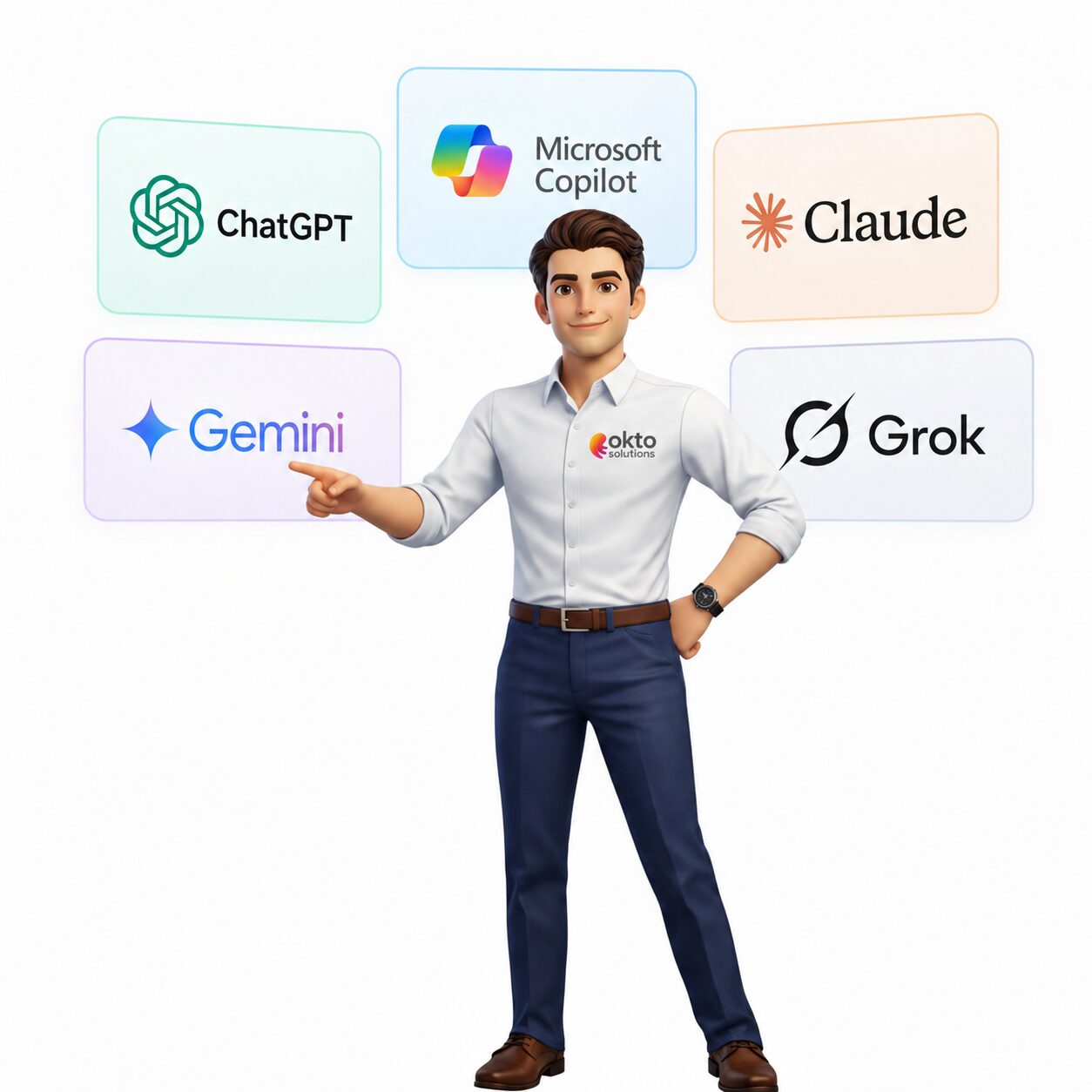
Quick answer: The AI agents showcased at Microsoft Build 2026 automate entire tasks (customer service, reports, workflows) rather than just responses. For small and medium-sized businesses (SMBs), they promise to automate even more business processes.
What exactly did Microsoft Build 2026 announce?
Microsoft Build is Microsoft's annual conference for developers and technology companies. This year's central theme was unambiguous: "The era of passive AI assistance is over." Microsoft CEO Satya Nadella stated that AI agents are no longer a feature; they are the new operating system for work.
Here are the most important announcements for SMEs:
1. Agent Mode becomes the default mode in Office 365 Copilot
The most impactful new feature for SMEs: Copilot Agent Mode will be deployed in Word, Excel, PowerPoint, Teams and Outlook by the end of June 2026. Unlike the current Copilot assistant which answers one-off questions, AI agents can now execute sequences of tasks autonomously, without you having to intervene at each step.
In practical terms: you could ask an agent to monitor your emails for customer requests, extract the key information, add it to an Excel file, and send you a summary each morning. All this without any human intervention between steps.
2. Windows becomes a platform for local AI agents
Microsoft has announced Windows Local AI, an environment that allows AI agents to run directly on your computer, without relying on the cloud. Available in Windows 11 version 24H2 starting June 9, 2026, this feature uses the NPU chips in new computers to run AI agents locally, faster and without sending your data over the internet.
3. Azure AI Foundry for businesses that want to go further
For SMEs that want to create their own custom agents, Microsoft is strengthening Azure AI Foundry as a central platform for developing, testing, and deploying AI agents at scale.
4. AgentGuard: Governance and security of agents
Microsoft introduces AgentGuard, a governance layer that controls permissions, prevents data leaks, and generates audit logs for every action performed by an AI agent. For SMEs that manage sensitive customer data or must comply with Quebec's Bill 25, this is an essential security measure.
What this changes in concrete terms for an SME in Quebec
These announcements may seem abstract. Here are some concrete examples of what Microsoft's AI agents will be able to do for a typical SMB:
- Customer email management: An agent monitors your Outlook inbox, categorizes requests, prepares draft responses according to your usual templates, and submits cases that require your personal intervention.
- Project tracking in Teams: An agent tracks tasks assigned in Teams Planner, sends automatic reminders to team members who are late, and generates a weekly status report without you having to request it.
- Financial reports in Excel: An agent consolidates your sales data from multiple sources each week, generates your dashboard and alerts you if a metric falls outside normal thresholds.
- Onboarding new employees: An agent guides each new employee through the onboarding process, shares appropriate documents, schedules training meetings, and confirms that each step is completed.
- Submission preparation: An agent gathers relevant information from your past projects in SharePoint, generates a first draft of the submission in Word, and submits the document to you for final review.
The key difference with current AI: you no longer have to manually initiate each action. The agents work continuously in the background, according to the rules you define.
Does this work with my current Microsoft 365 subscription?
This is the question most SME managers will ask themselves. The short answer: partially yes, but with important nuances.
- Copilot Agent Basic Mode: Available to existing Microsoft 365 Copilot subscribers, deployment planned for late June 2026.
- Advanced autonomous agents: Operate on a consumption model (Copilot Compute Units) with a free monthly allowance included. Intensive usage generates additional charges.
- Windows Local AI: Free with Windows 11 version 24H2, but requires a recent computer with an NPU chip (Intel Lunar Lake, AMD XDNA, Snapdragon X Elite). Older devices are not compatible.
- Azure AI Foundry: Requires a separate Azure subscription, more relevant for SMBs that want to create complex custom agents.
The first step for any small or medium-sized enterprise (SME) is to review its current Microsoft 365 subscription and the status of its IT infrastructure. A quick audit will reveal what is already available and what might need upgrading.
The 3 questions to ask yourself before deploying AI agents in your SME
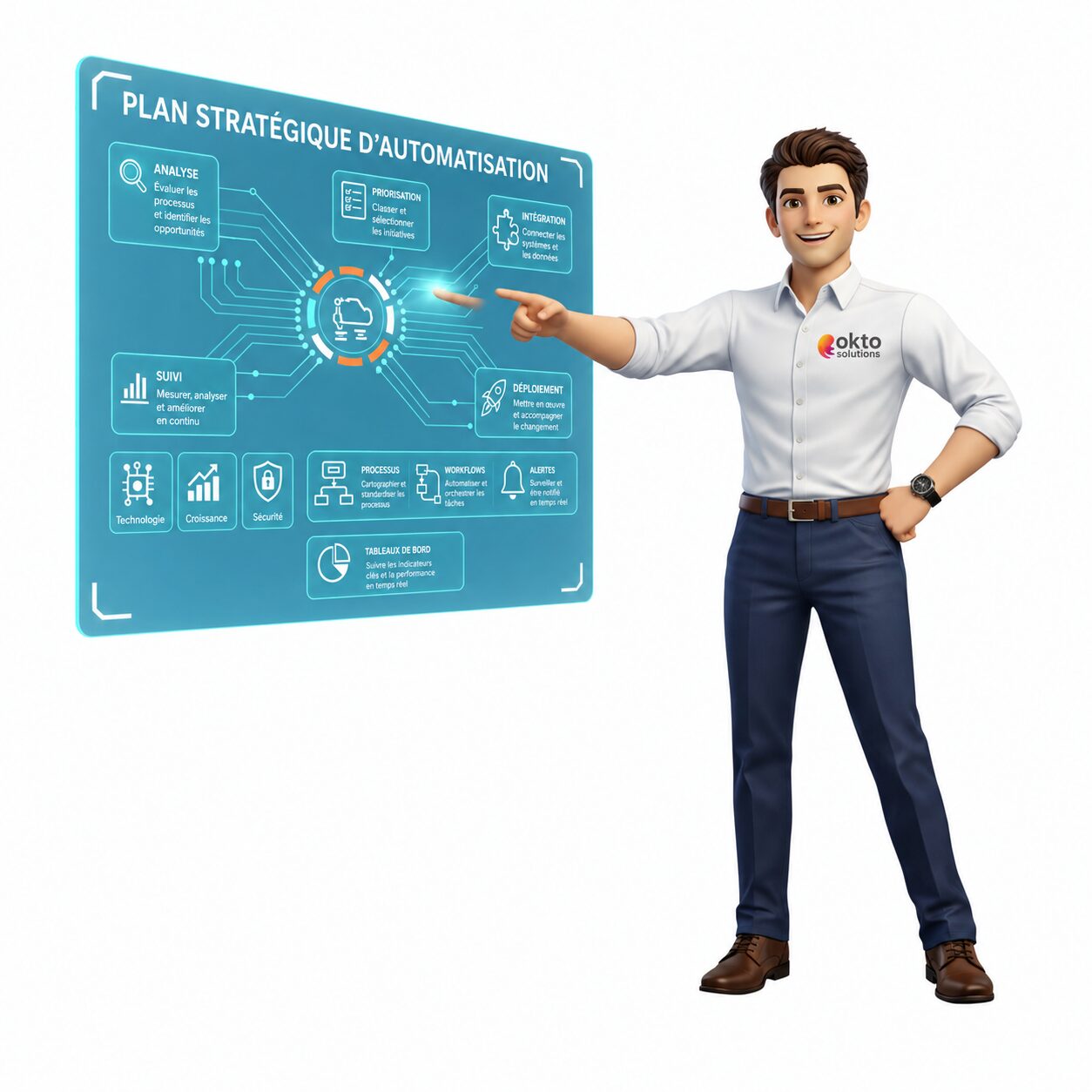
Before you begin, three strategic questions deserve consideration:
- What repetitive tasks are taking up the most of your team's time? AI agents deliver the best results on structured and repetitive tasks: email processing, data consolidation, report generation, and task tracking. Identify your three biggest time wasters.
- Is your data well-organized? An AI agent is only as effective as the data it accesses. If your files are scattered, poorly named, or in inconsistent formats, the agent won't be able to do much. Migrating to SharePoint and OneDrive is often a prerequisite.
- Are your permissions and security settings in order? Microsoft's AgentGuard manages agent governance, but your basic configuration must be clean: MFA enabled, permissions well-defined, and access policies in place. A poorly configured AI agent with overly broad access creates security risks.
Where to start with Microsoft AI agents for your SMB
The good news: you don't have to deploy everything at once. A phased approach is not only possible, it's recommended. Here's a logical sequence:
- Step 1: Audit of your current Microsoft 365 environment: licenses, security configuration, file organization.
- Step 2: Identify 2-3 priority use cases where AI agents would have the fastest impact.
- Step 3: Deploy the first agents in a controlled environment with a small group of users.
- Step 4: Measure the gains, adjust the rules and gradually extend to the whole team.
This approach allows you to show concrete results quickly without disrupting your overall operations.
Frequently asked questions about Microsoft AI agents for SMEs
Are Microsoft AI agents available in French?
Yes. Microsoft 365 Copilot and AI agents fully support French, including Quebec French. The Copilot Agent Mode rollout, scheduled for late June 2026, will be available in all languages supported by Microsoft 365, including French.
Do I need to change my Microsoft 365 license to access AI agents?
Not necessarily. If you already have a Microsoft 365 Copilot license, Copilot Agent Mode will be included in the rollout scheduled for late June 2026. For advanced features and intensive autonomous agents, a consumption model applies in addition. An audit of your current licenses will show you exactly what is already available to you.
Can AI agents make mistakes or make bad decisions?
Yes, like any technological tool. That's why Microsoft introduced AgentGuard, a governance layer that monitors agent actions and maintains an audit log. AI agents are designed to work under human supervision, not to replace human judgment on important decisions. The initial configuration of rules and permissions is crucial for reliable results.
OKTO Solutions supports SMEs in Trois-Rivières, Montreal, Quebec City, and throughout Quebec with the evaluation and deployment of new Microsoft technologies. Whether you want to understand what AI agents can do for you or start your first deployment, our team is available to guide you. Explore our Microsoft 365 and AI services for SMEs or contact us for an initial, no-obligation consultation.
For more information, see the Microsoft Copilot and AI agents documentation available on Microsoft Learn.